









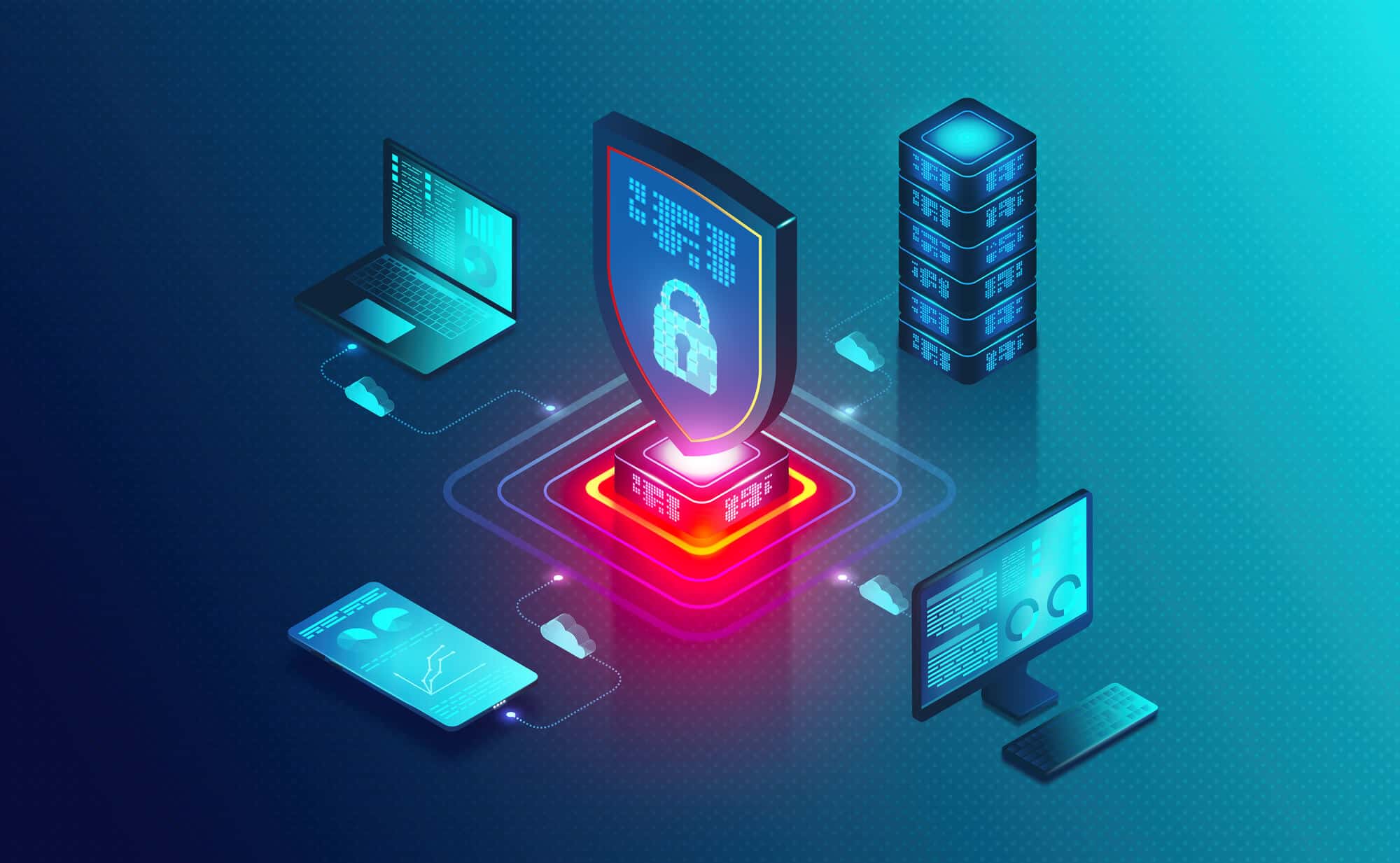
Blogging has evolved far beyond personal journals. Today, blogs support businesses, generate income, collect user data, and influence online audiences. As blogs grow in value and visibility, they also become attractive targets for cyber threats. This makes cybersecurity an essential part of blog hosting, not an optional feature.
Cybersecurity in blog hosting focuses on protecting websites from digital risks such as hacking, spam abuse, data leaks, and service disruptions. Many blog owners underestimate these risks, assuming attackers only target large websites. In reality, smaller blogs are often easier targets because they lack strong security measures and regular monitoring.
One of the biggest risks to blogs is outdated software. Blogging platforms rely heavily on themes, plugins, and content management systems. When these components are not updated, they can contain security loopholes that attackers exploit. Quality blog hosting providers help reduce this risk by offering automated updates, server-level protections, and compatibility checks that keep your blog environment secure.
Spam attacks are another common cybersecurity challenge. Automated bots flood blogs with fake comments, malicious links, and phishing content. Beyond being annoying, spam can slow down your website, damage credibility, and even lead to search engine penalties. Secure hosting services often include spam filters, bot detection systems, and traffic monitoring tools to keep blogs clean and professional.
Backups are an often-overlooked aspect of cybersecurity. Accidental deletions, failed updates, or cyberattacks can wipe out months or years of content. Reliable blog hosting ensures frequent, automated backups so your site can be restored quickly if something goes wrong. This not only protects your content but also provides peace of mind, allowing you to focus on growth rather than recovery.
Another critical element is secure access management. Weak login credentials make blogs vulnerable to brute-force attacks, where hackers repeatedly try different passwords until they succeed. Hosting platforms that offer login attempt limits, IP blocking, and secure control panels make unauthorized access far more difficult. Some also provide role-based access, ensuring contributors only have permissions they truly need.
Performance and security are closely connected. Cyber threats such as malicious scripts or traffic floods can slow down a blog dramatically. Slow-loading blogs frustrate users and harm search rankings. Hosting providers with built-in security optimization ensure that protective measures work silently in the background without affecting speed or user experience.
Cybersecurity also impacts a blog’s reputation. Visitors are more cautious than ever and avoid sites that appear unsafe. A single browser warning about potential threats can drive away traffic permanently. Secure hosting helps prevent such warnings by maintaining a clean environment, enforcing encryption, and monitoring suspicious activity around the clock.
Ultimately, cybersecurity is about sustainability. A secure blog is more stable, more trustworthy, and better positioned for long-term success. Investing in secure blog hosting is not just about preventing attacks—it’s about protecting your content, your audience, and your digital future.